
Member Spotlight: Sharon Lavery
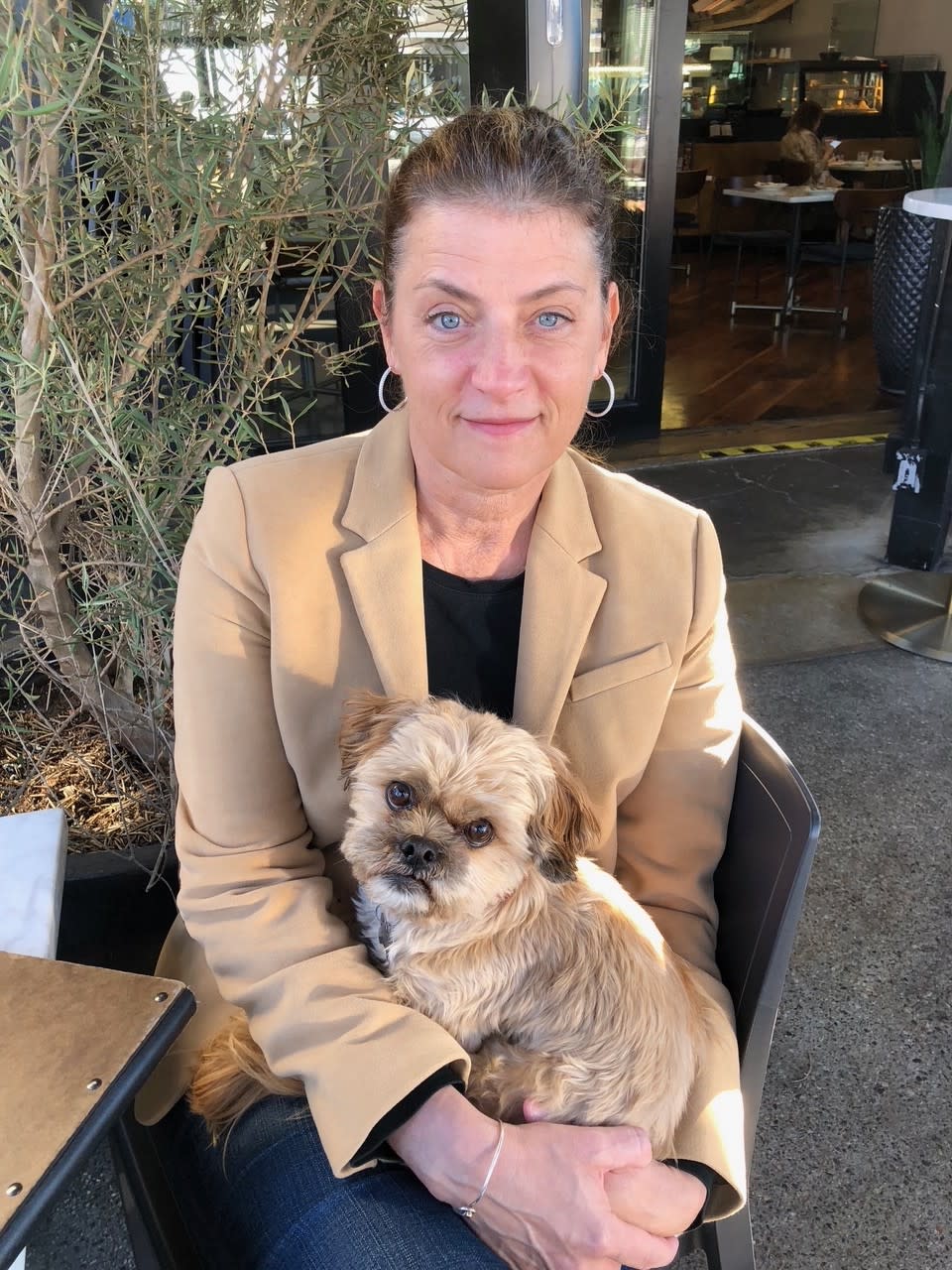
We’re shining the spotlight on Sharon Lavery - Music Director of the Downey Symphony and Department Chair of Winds and Percussion at the USC Thornton School of Music.

This month, we’re shining the spotlight on Sharon Lavery - Music Director of the Downey Symphony and Department Chair of Winds and Percussion at the USC Thornton School of Music. For nearly two decades, Sharon has led the Downey Symphony with heart, dedication, and a deep commitment to community, helping to foster a true sense of family within the orchestra while inspiring audiences of all ages. We caught up with Sharon to talk about her journey, what makes the Downey Symphony special, and the experiences that continue to fuel her passion for music, education, and connection.
You have been the music director of the Downey Symphony since 2007 - almost 20 years! What do you think is special or unique about the Downey Symphony?
There is a large group of core musicians who have been together in the Downey Symphony for longer than any other metropolitan or regional orchestra I know. For example, our principal tuba has been in the orchestra for more than 40 years, our concertmaster more than 30, same for our principal second violin and principal cello. And many other core players in the woodwinds, brass, and percussion are in the same boat. This has created a true family atmosphere which you just don't really find in any other 'pick-up' orchestras in this town. It's one of the first things I discovered about this orchestra, so I've tried hard to keep that feeling of family alive and strong.
What has surprised you the most about being a music director?
How much joy it has brought to my life. Don't get me wrong, the second I won the job, I knew I was going to have fun and enjoy being a music director, but I had no idea I would make so many wonderful friendships and connections with, not only the musicians, but board members and people from the community as well. It was like gaining an instant family and network of good friends. I never expected that.
What is one way you would like to see the orchestral/classical music world change?
More accessibility to concerts! Tickets are so very expensive to attend top-tier orchestras. Why not make them affordable so more people would be encouraged to buy tickets? I would rather see a sold-out Disney Hall than one with many empty seats because the tickets were simply too expensive. I am aware that ticket sales drive many of these top-tier orchestras, but what's better than a packed, full house that exposes more people to our wonderful art?
What advice would you give to your younger self?
Don't take things personally, which ultimately means: you can't worry about what people think of you! It doesn't matter what anyone else thinks, it only matters what YOU think of your work. Be passionate about your interpretations - own them, sell them - they belong to YOU and it doesn't matter if people disagree. Put in the research and historical work about the pieces you're conducting, and then let go and follow your instincts. Once you start worrying about what others are thinking, you're no longer free in your music-making.
What keeps you motivated as a music director and educator?
Keeping our art form alive. So that means continuing to bring classical music to communities that may not be as familiar with it. And it starts with our children's concerts. Our Downey Symphony children's concerts are actually what I am most passionate about. Seeing the excited and curious faces of 1,500 fifth graders when we start the allegro section of the William Tell Overture is something I can't describe. Watching the faces of the third graders as I tell a made-up story about witches taking over the city of Downey while we play excerpts of Mussorgsky's Night On Bald Mountain is simply priceless. As I've told the orchestra many times: No matter what happens to our budget, we will ALWAYS put on our third and fifth grade children's concerts!
How do you choose repertoire/program music?
In all honesty, during our recent financial struggles, I choose music that I am confident our orchestra will be able to perform with great success in very few rehearsals. That's simply the reality of the situation. So, I can't program the Rite of Spring because I don't have the rehearsal time nor the financial resources for the amount of personnel that it takes. But I can easily program something like Scheherazade because, not only do I have an amazing concertmaster in Carolyn Osborn who has done this work many times, but so many of our musicians are familiar with it and can perform it brilliantly in just two rehearsals. Unfortunately, this is the way I need to think with regards to programming these days. And it's also about choosing accessible and familiar music that will make a connection to our audience. Making a connection to our audience will always continue to be a top priority of mine.
How do you keep up with and discover new music and up-and-coming composers?
I try to go to as many concerts around town as I can - this is where I can find many talented new composers. Word of mouth from other conducting colleagues is always a great resource, but I also don't look much further than the borders of USC! I have done MANY new works in Downey by composers that I discovered at USC.
What advice would you give to someone who wants to be a music director?
First thing: You have to have an extreme passion for music, as if it's something you can't live without. It's a long, arduous road to becoming a music director, and there aren't many opportunities/jobs out there, so you have to want it more than practically anything in your life.
Second: If you're someone who has spent most of your life getting along with people, be ready for that to possible change when you're a music director. There will most likely be a decision you make, whether it's an artistic, logistical, or personnel-based decision, that will upset someone, and you have to be ok with that. You won't know who your decision will upset, but you can guarantee that it will happen. It's something no one ever told me, because I always took great pride in getting along with most people. I quickly learned that not everyone is going to like you, or your choices, and you need to be emotionally prepared and alright with that.
Do you have a hidden talent or hobby?
At times, I have managed to put together a decent round of golf. I'm not sure I'm talented at it, but I sure do have fun trying to pretend to be.
To see Sharon in action, attend the Downey Symphony's next concert on April 18th featuring Flora Cheng's "Moth", Liszt Piano Concerto No. 1 in E-flat Major, S.124 featuring Andrew Edwards, and Mussorgsky's Pictures at an Exhibition!